
There’s a big gap between being managed and being supported as a truck driver. And for drivers running routes across the Mid‑Atlantic and Midwest, that difference can make or break not just a day, but a truck driving career. Every truck driver knows the difference even if they’ve never put words to it.
You feel it in the tone of a phone call. You notice it in how problems are handled. And you definitely remember it when something goes wrong at 2:00 a.m.
Being Managed Feels Like Pressure
Being managed often shows up as constant check‑ins, second‑guessing, and rules without context. It sounds like:
- “Why are you sitting?”
- “You’re behind schedule.”
- “Just follow the process.”
There’s nothing wrong with expectations. Drivers understand accountability. Freight has to move. Customers are counting on it. But when management turns into micromanagement, something shifts. Trust erodes. Conversations become transactional. And drivers start feeling like a truck number instead of an important cog behind the wheel.
Over time, that pressure adds up. It makes drivers hesitant to speak up, ask questions, or report issues early. And ironically, that can lead to more problems, not fewer.
Being Supported Feels Like Respect
Support, on the other hand, feels completely different. Being supported as a truck driver means someone assumes you’re doing your job right and wants to help you succeed not catch you doing something wrong.
It sounds like:
- “What do you need right now?”
- “Thanks for the heads‑up.”
- “We’ll help figure this out together.”
Support shows up before things go sideways, not just after. It’s proactive, not reactive. And most importantly, it’s built on trust.
When dispatchers, supervisors, and operations teams take the time to listen, explain the “why,” and follow through on commitments, drivers feel it immediately. That kind of support builds confidence and confidence leads to better decisions on the road.
Tone Matters More Than Most People Realize
Here’s the truth: drivers can handle tough conversations. What they won’t tolerate for long is being talked down to. Tone carries weight. A lot of it. A rushed or dismissive response can undo years of goodwill. Meanwhile, a calm voice and a willingness to listen can turn a frustrating situation into a solid partnership.
Support doesn’t mean chaos or lack of structure. It means treating drivers like they understand their job and want to do it well.
Follow‑Through Is Where Trust Is Built
Support isn’t something you say, it’s something you prove.
Truck drivers remember who calls them back. They remember who fixes issues instead of deflecting them. They remember who goes to bat for them when things get complicated.
Whether it’s breakdown assistance, schedule changes, detention time, or home time requests, follow‑through matters. Especially in regional trucking across Pennsylvania, Ohio, West Virginia, Indiana, and beyond, where timing and reliability are everything.
When support is consistent, truck drivers don’t have to guess where they stand. And that stability goes a long way.
The Bottom Line
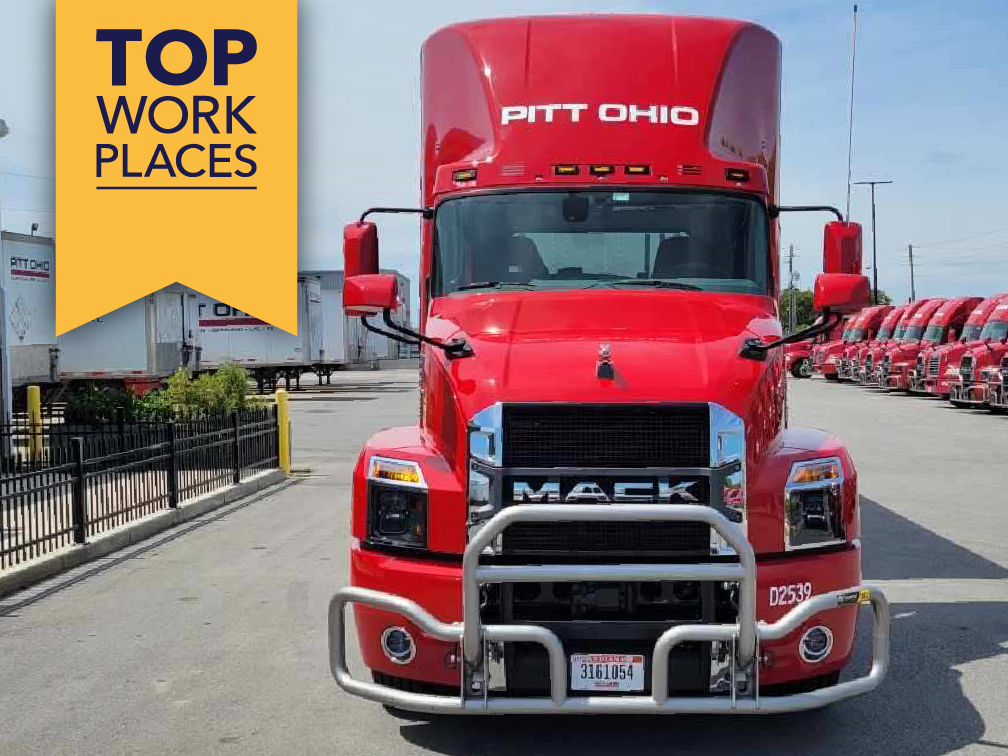
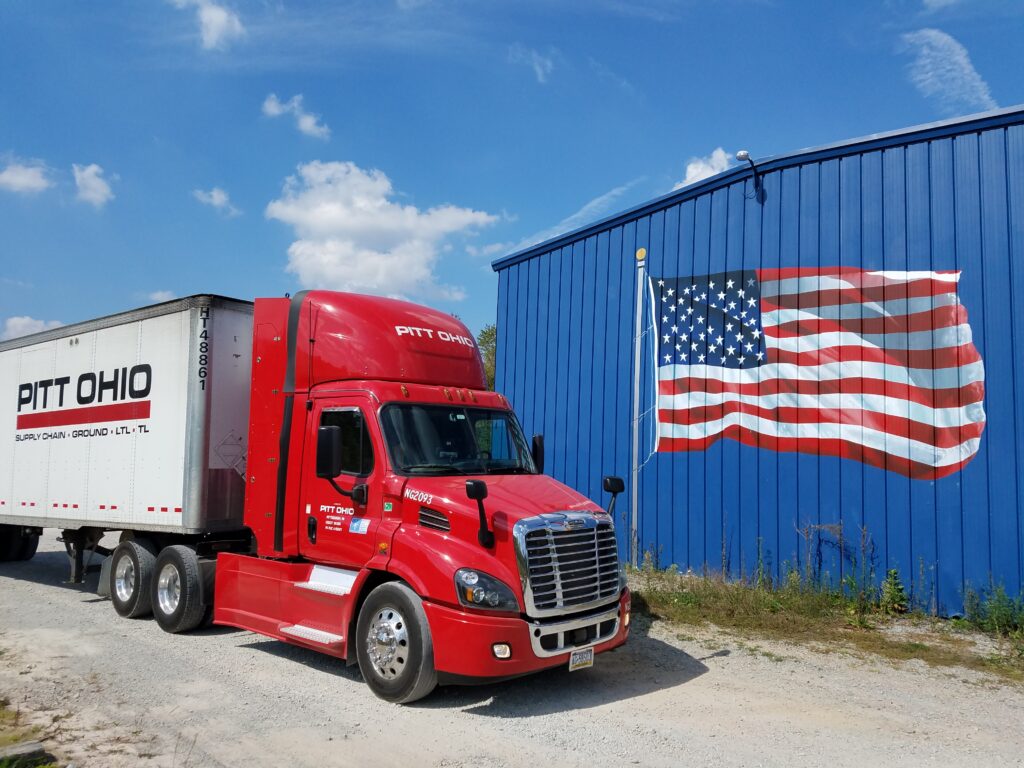
Truck drivers don’t need someone hovering over them. They need someone in their corner. The difference between being managed and being supported shows up in trust, tone, and follow‑through. One drains energy. The other gives it back. That’s why PITT OHIO is known for supporting the best truck drivers in the industry, always standing behind their team and cultivating an environment where drivers can thrive.
And when drivers feel supported, they don’t just stick around. They take pride in the work they do, the company they represent, and the miles ahead.
Want more information about available job opportunities?
Contact us to speak with a driver recruiter.